Before the Shutters Rise: An Insider's Morning Itinerary Through Ginza's Quietest Hours
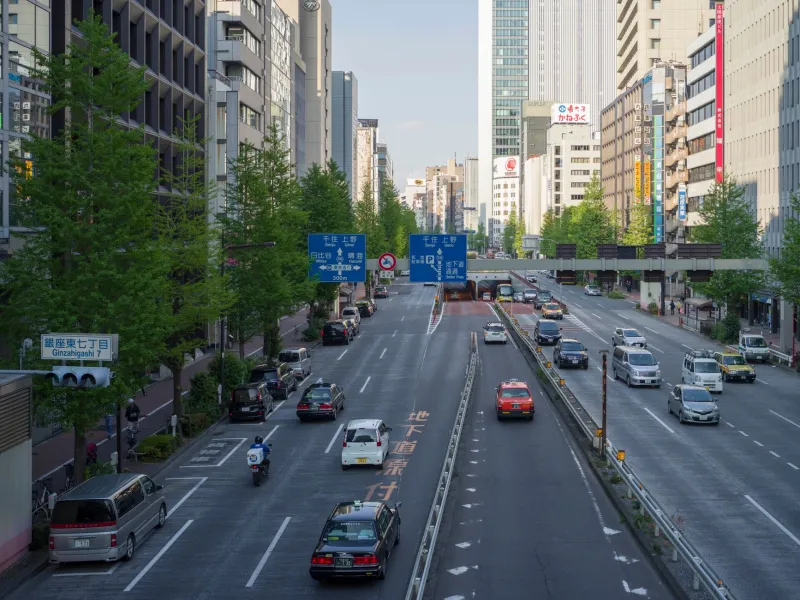
There is a version of Ginza that most visitors never meet. It appears at dawn, when the delivery trucks have gone and the streetlights are still glowing against a pale sky, and it disappears by mid-morning when the tour groups arrive. For the American luxury traveler planning a Tokyo itinerary, this window — roughly seven to ten in the morning — is the single most valuable hour of the shopping day. Here is how to spend it well.
Arrive Before the District Wakes
Begin at Sukiyabashi Crossing around 7:15, when the area is still operating on shopkeeper time rather than tourist time. Staff in pressed uniforms arrive in loose formation, greeting one another with small bows before disappearing inside. This is not a show staged for visitors; it is the district's daily choreography, and witnessing it changes how you read every boutique door you approach later.
Walk south along Chuo-dori while it is still closed to vehicle traffic on weekends — the pedestrian zone known as Hokosha Tengoku, or 'pedestrian paradise,' offers the only photographs of Ginza's flagship facades without a single car in frame. By 8:30, the light on the Mikimoto building and the Wako clock tower is the best you will get all day.
Know Which Doors Open First
Department store culture dictates the rhythm here. Mitsukoshi and Ginza Six typically admit customers at 10:30, but their personal shopping desks accept appointments by phone from mid-morning, and the savviest travelers book before they fly. Independent boutiques, by contrast, often open at ten or earlier, and the first customer of the day receives a kind of attention that cannot be purchased at noon.
This is also when the back stock is accessible. In Ginza's smaller ateliers and accessory houses, pieces that never reach the display floor — a bag in an unlisted leather, a scarf from the previous season held for regulars — are frequently offered to early visitors simply because there is time to talk. Ask what has 'just arrived from the workshop.' The question signals seriousness, and seriousness is rewarded.
Follow the Coffee, Find the Conversation
Around 8:30, the district's shopkeepers take their own break. The standing coffee counters near Suzuran Street, the narrow lane behind the flagship stores, fill with sales staff and artisans before their shifts begin. Pull up a place at one of the kissaten — the old-school jazz cafés with velvet chairs and single-origin pour-overs — and you will overhear which collections are landing this week and which ateliers are worth a detour.
Do not underestimate this intelligence. A barista's offhand recommendation has led more than one American visitor to a fourth-floor workshop producing hand-stitched leather goods that no concierge app lists.
The Etiquette That Opens Doors
A few practices distinguish the informed traveler from the passing tourist. Remove your hands from merchandise unless invited to touch it — many Ginza pieces are presented, not browsed. Accept the wrapping ritual rather than rushing it; the time a shopkeeper spends folding paper is part of what you are paying for. And when a piece is brought from the back, examine it slowly. Haste reads as indifference everywhere, but in Ginza it reads as a missed education.
Leave Before Noon, Return at Dusk
By eleven, the crowds thicken and the district's character shifts from intimate to theatrical. That is your cue to exit — ideally with a parcel wrapped in mizuhiki cord and an invitation to return. Ginza rewards those who meet it on its own schedule, and no schedule is more generous than the one that begins before the shutters rise.