The Wrap Is the Message: How Japanese Packaging Is Rewriting American Expectations of Luxury
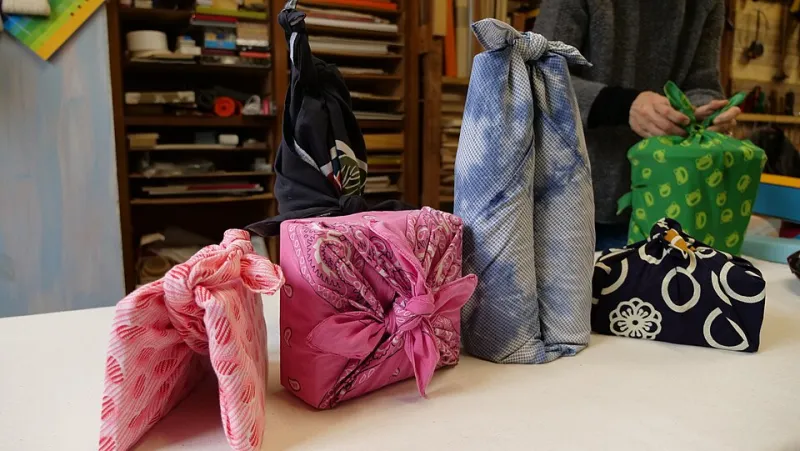
Photo: Culture Japon, CC BY-SA 4.0, via Wikimedia Commons
Somewhere in an American apartment right now, a luxury purchase has just been unwrapped, and the packaging is sitting on the counter because the owner cannot bring herself to throw it away. A rigid box lined with unbleached paper. A cloth wrap tied in a knot she doesn't know the name of. A card explaining, in careful English, that the wrapping itself was done by hand.
This moment — the hesitation at the trash bin — may be the most consequential thing happening in American luxury retail.
Presentation as Philosophy, Not Afterthought
In Japan, the practice of wrapping is old enough to have its own grammar. Tsutsumu, the art of covering, treats the package as an extension of the gift: a gesture of respect toward the recipient before the contents are ever revealed. The furoshiki cloth, folded and knotted rather than taped and glued, is meant to be returned, reused, or kept — a wrapping that refuses the logic of disposal.
Contrast this with the American unboxing ritual as it has developed over the past decade: layers of plastic, magnetic closures, foam inserts, all engineered for a photogenic ten seconds of content, followed immediately by a full recycling bin. The American version performs luxury. The Japanese version practices it.
American shoppers, who have grown fluent in sustainability rhetoric and increasingly skeptical of it, have noticed the difference. The numbers follow the sentiment: surveys consistently show a rising share of US consumers, particularly younger ones, factoring packaging into brand loyalty — and a growing impatience with boxes that outlive their usefulness by minutes.
The Scramble to Catch Up
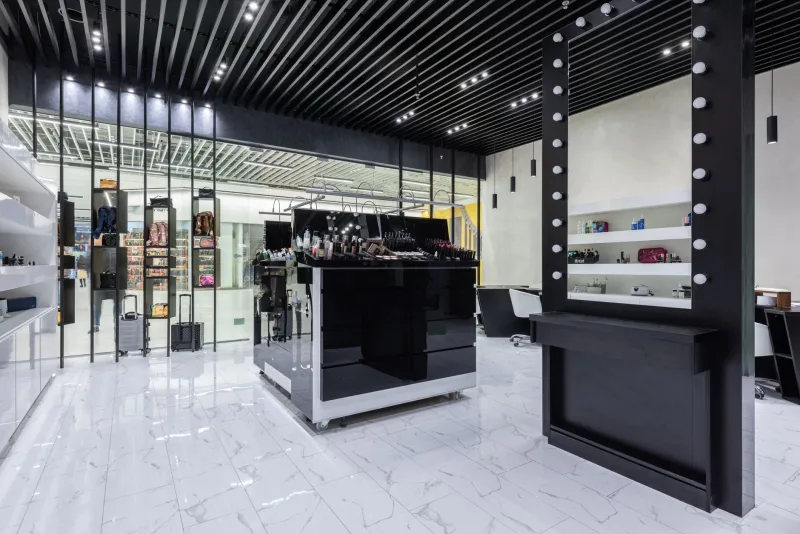
The response from American brands has been swift, if uneven. Cosmetics companies now sell refillable compacts in cases designed to be kept. Fashion houses on both coasts have introduced dust bags substantial enough to double as evening clutches. A handful of independents have gone further, shipping in cloth wraps and offering embossed keepsake boxes as a standard rather than an upgrade.
But much of this adaptation mistakes the surface for the substance. A reusable box produced in a facility that undermines its own promise is marketing, not philosophy. What distinguishes the Japanese approach is not the material but the intention: packaging designed by the same hands, and with the same care, as the product itself.
Waste, Reconsidered
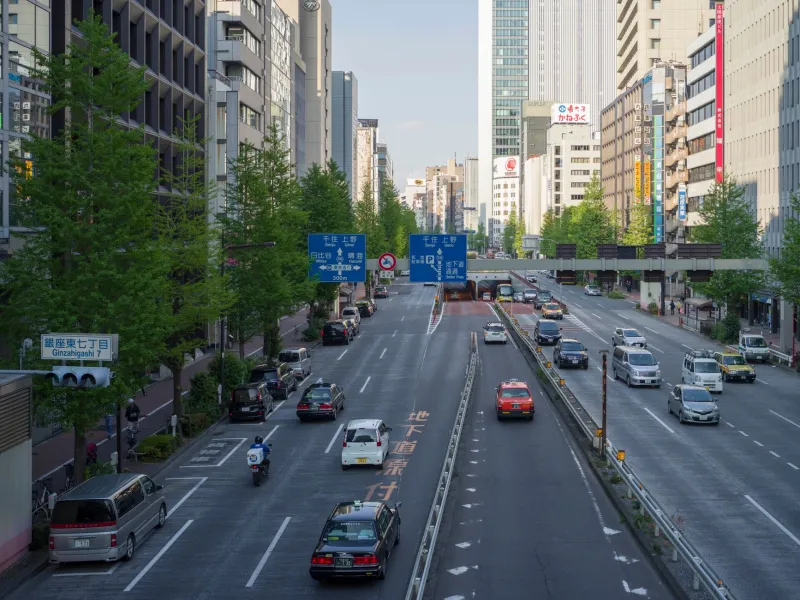
The deeper argument — the one American brands are still learning to make — is that the wrap is not waste at all. It is the product's first act of respect. The time a Ginza artisan spends folding paper around a purchase is invisible in the price and unmistakable in the experience. It tells the customer: this object mattered before you touched it, and it will matter after you set it down.
That message lands differently in a market saturated with disposability. When an American shopper keeps the box, she is not being sentimental. She is casting a quiet vote for a different definition of luxury — one measured not in logos or layers, but in whether anything about the purchase was made to last.
The brands that understand this will stop asking how to make their packaging photograph better and start asking how to make it mean more. The ones that don't will keep producing beautiful garbage. American consumers, increasingly, can tell the difference.