The Single Accent: Why One Deep Color Outperforms a Season of Trends
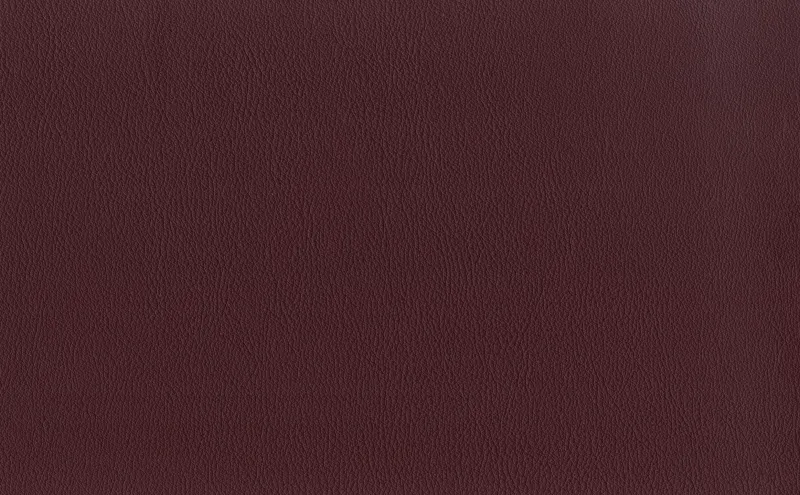
Photo: oxblood leather handbag with neutral cashmere coat and gold jewelry flat lay, via d248k8q1c80cf8.cloudfront.net
The American wardrobe has been trained to equate choice with freedom. More colors, more options, more ways to signal that we are not the same as last season. The result is often a closet full of neutrals punctuated by trend colors that looked persuasive in a showroom and uncertain in daylight. The Ginza alternative is quieter and more effective: one saturated accent, repeated with discipline, gives a wardrobe more distinction than a season of new shades.
The Problem With a Palette of Many Ideas
A wardrobe with many accent colors asks the eye to work. A rust sweater, a lilac shirt, a green bag, a red shoe—each piece may be attractive on its own, but together they dilute the wearer. The American habit is to treat color as variety. The Ginza habit is to treat color as hierarchy. One accent creates a recognizable thread. Many accents create noise.
This is not an argument for beige. It is an argument for concentration. A single deep color—oxblood, forest, ink blue, or a jewelry stone—can make existing neutrals feel newly considered. The navy blazer looks different beside oxblood. The gray trousers look sharper beside forest. The white shirt looks less generic when the bag is ink blue. The neutrals do not change; the relationship changes.
What Ginza Stylists See That Trend Reports Miss
Trend reports tell American shoppers what is new. Ginza stylists tend to ask what is repeatable. In boutique styling, the question is not whether a color is having a moment. It is whether the color can live with the client's coat, her shoes, her work bag, and her evening pieces for more than one season. That test eliminates most trend colors. It also explains why the most assured wardrobes often return to the same deep accent year after year.
The Ginza influence on American dressing is not a specific palette. It is a method: choose one accent, give it a job, and let it recur. The accent can be a leather good, a shoe, a knit, or a single stone. It should not be everywhere. It should be the answer to a question the wardrobe already asks.
The Four Accents That Earn Their Place
Oxblood is the most forgiving. It reads as red without shouting, works with black, navy, gray, and camel, and looks appropriate in both office and evening settings. Forest is the most underrated. It gives black a richer edge and makes tan and cream look less summery. Ink blue is the most versatile. It can stand in for navy when navy feels tired, and it pairs with silver jewelry without contrast. A single jewelry stone—garnet, sapphire, or a deep green—is the most personal. It gives the face a point of color that does not require a new outfit.
A 2026 Strategy for Work, Travel, and Weekend
For work, choose one accent and confine it to leather and shoes. An oxblood tote, an ink blue pump, a forest belt. Keep the clothing neutral. The accent should appear once or twice in the full look, not in every category. For travel, choose a deep-toned carry-on or shoulder bag that works with everything in the suitcase. The accent becomes a practical marker: it is easy to find, easy to style, and it makes a neutral travel wardrobe look intentional.
For weekend, move the accent closer to the face. A forest scarf, an ink blue knit, a garnet earring. The weekend is where color can be more personal, but it should still be the same color. The discipline is the point. A wardrobe with one accent is not limited; it is edited.
The Discipline of Repeating It
Repeating a color can feel counterintuitive to American shoppers who have been trained to rotate. But repetition is what makes a signature visible. If you wear oxblood shoes every Tuesday and carry an oxblood bag on weekends, the color becomes yours. If you wear a different accent every day, no single choice registers.
The practical rule is simple: one accent per season, and no more than three categories. Bag, shoe, and one small piece. Or knit, scarf, and jewelry. The accent should not colonize the closet. It should give the closet a center of gravity.
The Distinction Is in the Recurrence
The most distinctive wardrobes are not the ones with the most colors. They are the ones with the clearest point of view. In 2026, the American closet does not need another trend color. It needs a decision. Choose one deep accent. Let it repeat. Let the neutrals do the rest. The result is not minimalism for its own sake. It is luxury with a memory.