The Cost-per-Wear Ledger: Doing the Arithmetic on a Single Japanese Bag Versus a Closet Full of Compromises
American shoppers have been trained to think in units. Five handbags at two hundred dollars each feels manageable; one handbag at eight hundred feels indulgent. But unit thinking is exactly how the fast-luxury aisle wins. Run the actual numbers — cost per wear, material longevity, hardware serviceability, resale recovery — and the equation inverts with almost uncomfortable clarity.
The Rotation Trap, Quantified
Consider a representative pattern: five trend-driven bags purchased over two years at an average of $180. Total outlay: $900. Average lifespan of a bonded-leather or coated-canvas bag in daily rotation: eighteen to thirty months before peeling, seam failure, or simply aesthetic obsolescence. Because trends move, the average American carries each of these bags perhaps forty times before retiring it. Cost per wear: roughly $4.50 — and the residual value at retirement is effectively zero.
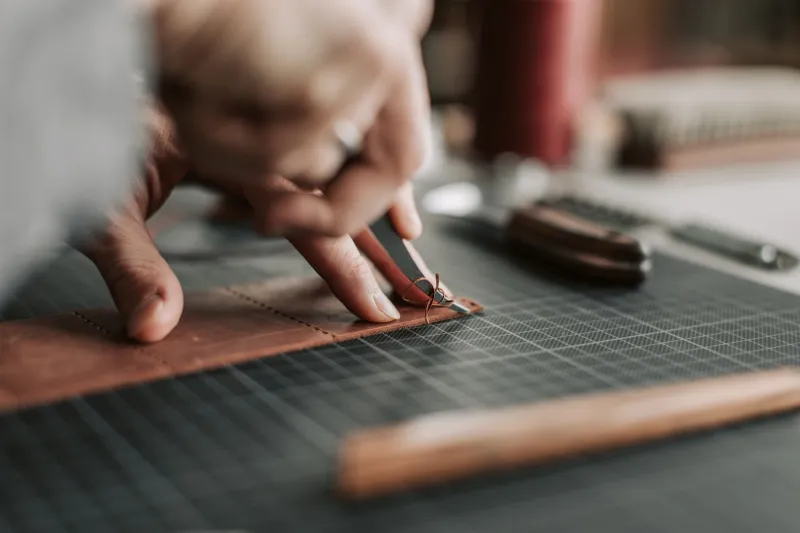
Now the single Japanese-made alternative. A vegetable-tanned leather bag from a Tokyo or Ginza atelier, priced near $800, is built on different assumptions. Full-grain hides develop patina rather than damage. Stitch density runs two to three times higher than mass production. Most critically, the hardware — solid brass, often sourced domestically — is designed to be unscrewed, polished, and replaced rather than discarded with the bag.
The Ten-Year Column
Assume the Japanese bag is carried 150 times a year, a realistic figure for a professional workhorse. Over a decade, that is 1,500 wears. Cost per wear: roughly fifty-three cents, and falling every year the bag stays in service. Have it resoled, re-edged, or relined once at a specialist — expect $100 to $200 — and the figure remains a fraction of the rotation trap.
Resale deepens the gap. Japanese craftsmanship has a documented secondary market: well-maintained pieces from respected ateliers routinely recover thirty to fifty percent of retail on consignment platforms, a category where fast-luxury goods rarely clear ten percent. Subtract a conservative $250 recovery and the effective decade-long cost of the Japanese bag drops toward $650 — less than the rotation's $900 spent, with nothing to show for it, in a third of the time.
What You Are Actually Buying
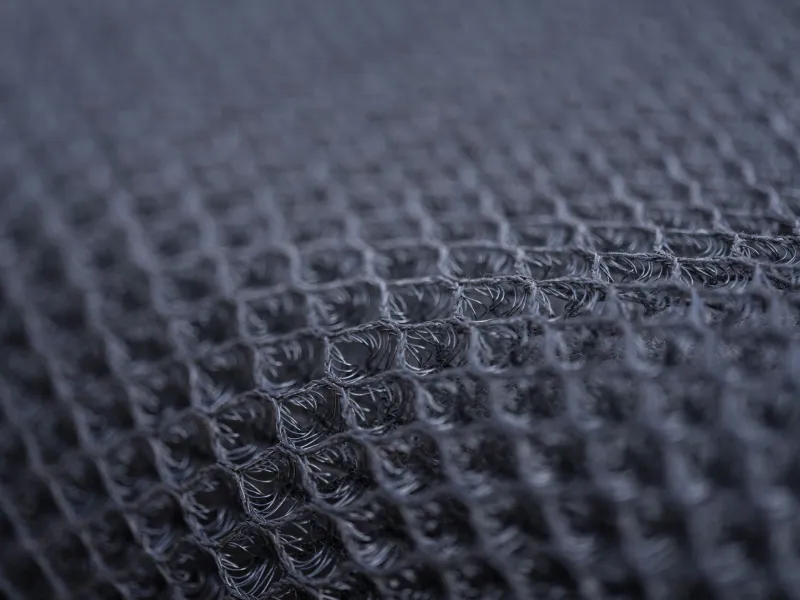
The arithmetic obscures a qualitative difference that justifies it. A fast-luxury bag is finished to look complete on the shelf; a Japanese bag is finished to survive the body. Edges are burnished in layers rather than painted. Linings are stitched, not glued. Zipper tape is sewn with reinforcement at the stress points that fail first on cheaper goods. None of this photographs well in a product listing. All of it matters at year five.
There is also the matter of repair culture. Japanese makers, as a rule, expect their pieces to come back. Many offer lifetime servicing or maintain records of each bag's production, which is why a fifteen-year-old Japanese leather tote can look better than a two-year-old department store purchase.
The Honest Caveat
This argument only holds if the single bag is chosen well — a silhouette you will carry in Manhattan boardrooms and on weekend errands alike, in a leather that improves rather than dates. The mistake is not buying one exceptional thing. The mistake is buying five adequate things and calling it practicality. Run the ledger honestly, and practicality wears a different face entirely.