Five Small Gestures: The Quiet Grammar of Japanese Gift Wrapping
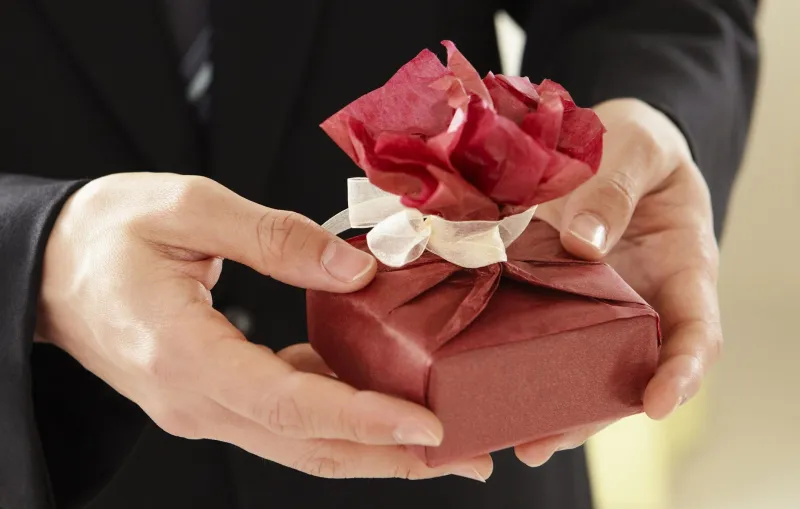
Somewhere in the last decade, the unboxing became content. Americans film themselves opening packages, and luxury brands on both coasts have scrambled to make their packaging cinematic. Yet the tradition they are all improvising toward has existed in Japan for centuries, refined in Ginza's boutiques into something closer to choreography than packaging. Watch a skilled Japanese shopkeeper wrap a purchase and you will see five gestures, each carrying a philosophy as deliberate as the object inside.
One: The First Fold Faces the Giver
In Western wrapping, the paper is oriented for the recipient's convenience. In Japanese practice, the first fold is made with the seam facing the wrapper — a small act of self-effacement that says the labor should be invisible. Nothing about the finished parcel reveals how it was made, only that care was taken. American luxury has adopted the hidden seam without adopting the humility behind it; the difference is perceptible even if you cannot name it.
Two: The Paper Is Never Cut Short
Where a cost-conscious wrapper trims excess paper, a Japanese wrapper folds it under, building thickness and structure into the corners. This is partly practical — folded edges resist creasing — but the deeper logic is refusal of waste, an inheritance from eras when paper itself was precious. A parcel wrapped this way feels heavier than its contents. That weight is the message.
Three: The Ribbon Reads Left to Right
The mizuhiki cord, or fabric ribbon on contemporary pieces, is tied with a directional intent: the knot's tails sweep to the right, the direction of reading and of forward motion. On ceremonial gifts, the way a knot is tied even signals whether the bond between giver and receiver should be permanent or easily released. A boutique in Ginza will adjust the knot for the occasion — a purchase for oneself, a gift for a colleague, a token for a partner — without being asked.
Four: The Corner Is Pressed, Not Creased
The sharpest visual distinction between Japanese presentation and its imitators is the corner treatment. Rather than a hard crease, the wrapper presses a soft bevel — a rounded edge that catches light gradually instead of snapping it. It is the same sensibility that shapes a well-cut lapel or the curve of a handbag handle. Sharp lines announce; soft edges persuade.
Five: The Finished Parcel Is Turned Toward You
The final gesture happens at the counter. The wrapped piece is rotated so its best face addresses the customer, presented with both hands and a slight bow. The object and its wrapping arrive as a single thing. This is why so many American visitors to Tokyo photograph the box on their hotel dresser before opening it: the presentation is not packaging. It is the first chapter of the gift.
What It Means Back Home
None of this requires a flight to Ginza to appreciate. It requires a shift in what you expect from luxury — that the experience of receiving should be composed with the same intelligence as the object itself. The American brands photographing well in unboxing videos are, knowingly or not, learning this grammar. The originals never needed a camera to know it was worth doing.