Listen First: The Auditory Checklist Ginza's Leather Experts Use Before the Sale
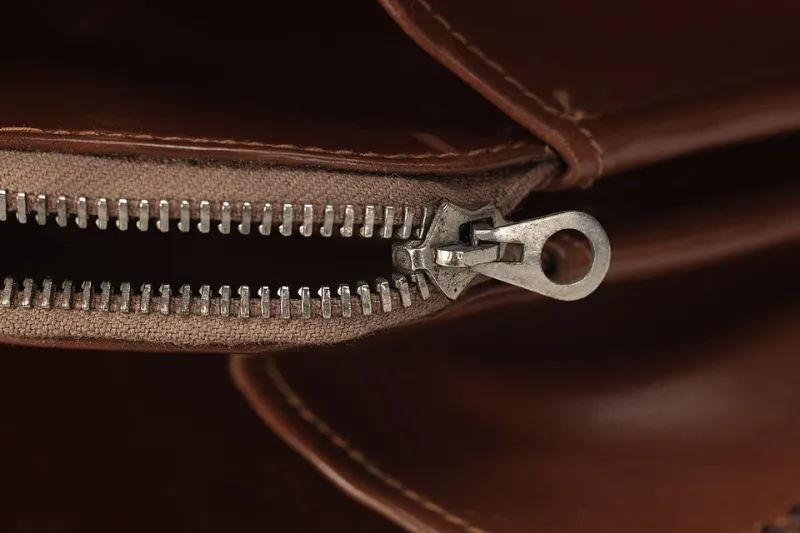
Photo: Unknown, No restrictions, via Wikimedia Commons
In a Ginza leather atelier, the sale often begins in silence. The specialist sets the bag on the counter, opens it slowly, closes it again, and listens. To an American shopper accustomed to evaluating a bag by sight—color, shape, logo, stitch count—the pause can seem theatrical. It is not. It is a diagnostic. The sounds a bag makes under ordinary handling tell a story about its construction, its materials, and the number of years it is likely to remain in service.
This is not mysticism. It is applied attention. In 2026, as American shoppers become more deliberate about luxury purchases, the auditory checklist used by Ginza's leather experts offers a practical advantage: it gives the buyer a second sense with which to judge quality before the eye has been persuaded by display lighting and a polished sales floor.
Why Sound Precedes Sight
A bag is a system of moving parts. Zippers travel, clasps engage, leather folds, straps swing, hardware meets hardware. Each of these actions produces a sound, and each sound is a byproduct of tolerance, material, and assembly. A zipper that glides without catch suggests aligned teeth and a well-set tape. A clasp that closes with a single, solid click suggests precise machining. Leather that flexes with a soft, low creak suggests a hide with natural suppleness rather than a surface stiffened by heavy finishing.
The eye can be deceived by presentation. Sound is harder to stage. A bag that rattles when lifted, squeaks at the handle, or produces a thin metallic tick at the clasp is telling you something the display cannot. The Ginza specialist listens for consistency: does the bag sound the same on the first open as on the fifth? Does the strap behave quietly under load? Does the hardware sound like one object or several loose ones?
The Zipper Glide
The zipper is the most audible component in most bags, and one of the most revealing. A quality zipper should travel with even resistance—neither so loose that it slips nor so tight that it requires a tug. Listen for a smooth, continuous purr rather than a series of catches. A zipper that clicks or stutters may have misaligned teeth, a poorly cut tape, or a slider that is not matched to the gauge of the chain.
In Ginza, the specialist will often open and close the zipper several times, then do it again with the bag held at an angle. The angle matters. A zipper that performs only on a flat counter is a zipper that will disappoint in real life. The sound should remain consistent whether the bag is empty, partly filled, or closed under slight tension.
The Clasp Click
A clasp is a small promise: it will hold, and it will release when asked. The sound of a well-made clasp is singular and clean—one click, not a crunch, not a rattle, not a delayed double-tick. The specialist listens for the moment of engagement. Does the clasp find its position easily, or does it require alignment? Does it release with a deliberate action, or does it give way too readily?
This matters for longevity. A clasp that sounds loose when new will often become looser with use. A clasp that requires force may wear at the frame. The ideal is a mechanism that sounds settled: confident on closing, controlled on opening, quiet when the bag is carried.
The Leather Flex
Leather speaks when it bends. A supple hide produces a soft, low creak—brief and organic. A heavily finished or brittle leather may crackle, squeak, or stay silent in a way that suggests stiffness. The Ginza expert will often fold a strap or press the gusset gently to hear how the material responds. The question is not whether the leather makes noise. The question is what kind of noise, and whether it suggests flexibility that will improve with age or rigidity that will worsen.
This is especially useful for American shoppers who buy online or in brightly lit stores where texture is difficult to judge. A leather that flexes quietly is more likely to soften at the handle, conform at the shoulder, and avoid the sharp creases that appear when stiff material is forced into daily service.
The Strap Rustle
Straps are overlooked in the showroom and punishing in daily life. A well-constructed strap should move without announcing itself. Listen for a faint, supple rustle rather than a stiff scrape. Hardware at the strap attachment should not jingle loosely. The bag should hang with a sense of weight distributed, not weight dangling.
A simple test: lift the bag by one strap and sway it gently. A quiet bag suggests secure attachments and balanced construction. A bag that clatters or ticks may have loose rivets, thin hardware, or an attachment that will loosen with repeated load.
The Hardware Jingle
Hardware should sound muted and integrated. When the bag is set down, the feet, rings, and clasps should not produce a bright metallic chatter. A quiet bag is usually a bag with solid hardware and considered spacing. A noisy bag may have hollow components, loose connections, or too many small metal parts competing for attention.
A Boutique Listening Checklist
For the American shopper in a Ginza boutique—or any leather goods store—the checklist is simple. Ask to handle the bag without a glove. Open and close every closure three times. Lift the bag by each strap. Set it down on the counter and listen. Flex the gusset gently. If the bag is quiet, consistent, and composed under ordinary handling, it is likely built with care. If it rattles, catches, or sounds thin, no amount of visual polish should override that signal.
The ear is not a substitute for expertise, but it is an honest first filter. In Ginza, listening is not a performance of connoisseurship. It is a practical step in a purchase that is meant to last. The bag that sounds right today is often the bag that still feels right in 2036.